
ASIC Miner Electricity Cost
What this page covers
ASIC Miner Electricity Cost
This page helps buyers move from generic research on asic miner electricity cost to a cleaner commercial decision with stock, power, cooling, and delivery context in view.
Starskold handles quote-based sourcing from the UAE, so the goal here is to narrow the route, reduce ambiguity, and help you ask better buying questions before commitment.
In brief
- Model cost and profit with your own power rate, not a generic benchmark.
- Cooling choice changes both capex and operating risk.
- Use comparison pages to narrow the shortlist before requesting quote.
What to do
Electricity cost is the core driver of an ASIC miner’s economic viability. Because miners convert power into hashrate, even small changes in kWh pricing or machine efficiency can materially change your cost per coin. When many miners face higher power prices, their collective cost basis rises and can create pressure on less efficient operations, especially after difficulty increases or halving events.
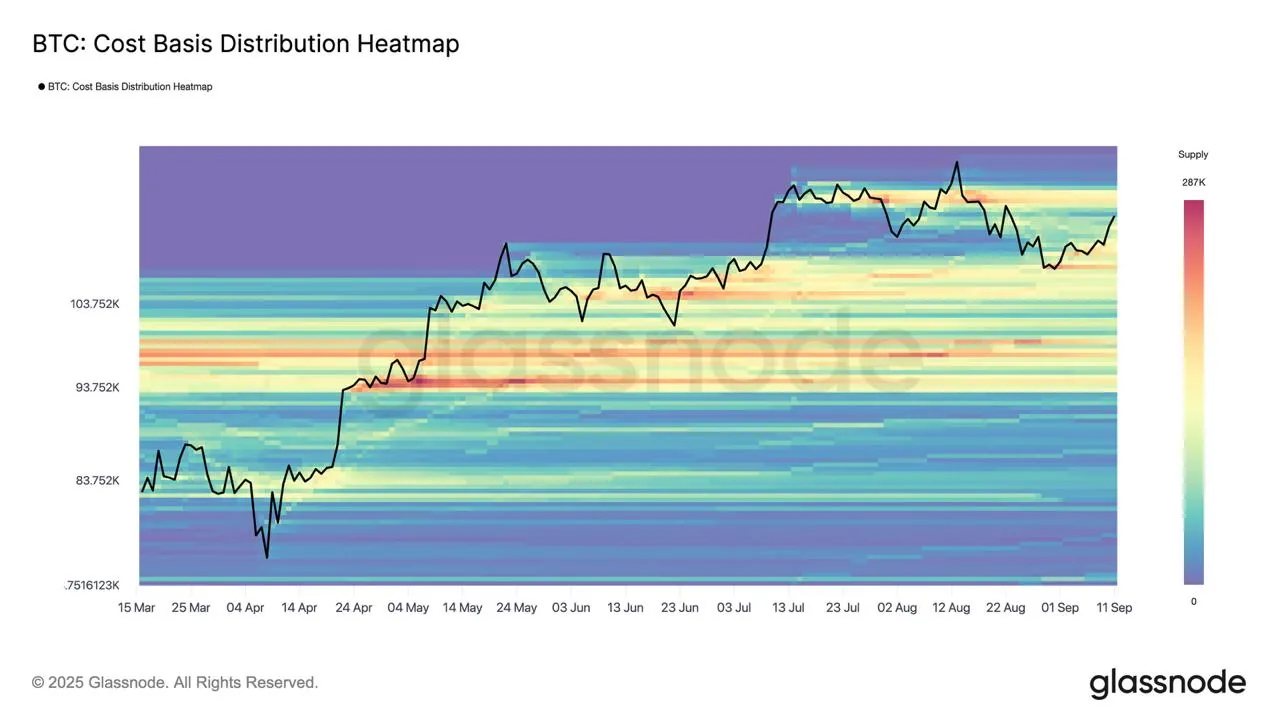
To manage this, you should calculate a precise electricity-driven cost per BTC or per target coin for each ASIC model. Start from the miner’s power draw in kW, multiply by your all‑in kWh rate, and then divide by expected daily coin output at current difficulty. Comparing this figure with market price and with broader cost-basis bands helps you see how close you are to stress levels where price drops can quickly turn your operation unprofitable.
By combining efficient ASIC hardware with competitive, stable power contracts, you can shift your cost basis lower and build a healthier buffer. This makes it easier to keep machines online during market downturns, avoid forced liquidations of hardware, and position your fleet to benefit when mining economics improve or when coin prices move back above your electricity-driven breakeven.
What to keep in mind
For this first release wave, pages stay indexable only when they answer a distinct buying or deployment question. The right next step is usually to narrow the route further, then request a quote with your actual power rate, cooling format, and delivery timeline.
Quote confirms the commercial reality: model, condition, batch timing, delivery route, and after-sales path. That is more useful than treating static page text as a guarantee.